What to know about Haringey Council rubbish rules Harringay
Posted on 06/06/2026
If you live, rent, manage a property, or run a small business in Harringay, rubbish rules can become a surprisingly big part of everyday life. Miss a collection day, leave the wrong bag out, or dump a bulky item too early, and suddenly you've got a mess on the pavement and a possible headache with the council. That's why understanding what to know about Haringey Council rubbish rules Harringay matters more than most people expect. It is not just about keeping the street tidy; it is about avoiding fly-tipping, keeping neighbours happy, and making sure waste leaves your home or premises the right way.
This guide breaks things down in plain English. You'll learn how the system usually works, what tends to trip people up, how to stay compliant, and when it makes sense to arrange a private clearance instead. I'll also weave in a few practical local pointers, because let's face it, rubbish is never just "rubbish" once it's sitting by the front gate on a damp Wednesday morning.
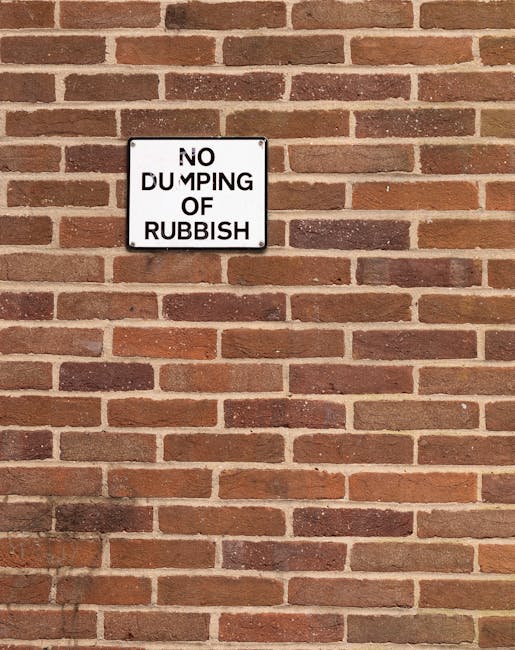
Why What to know about Haringey Council rubbish rules Harringay Matters
Rubbish rules can feel minor until they are ignored. In a busy area like Harringay, where terraces, flats, shops, and shared access routes sit close together, waste quickly becomes a visible issue. One poorly timed bin, one overflowing bag, or one abandoned sofa can affect the whole street. That is especially true around busier routes such as Green Lanes, where foot traffic and narrow pavements make clutter much more noticeable.
The practical reason to understand the rules is simple: fewer problems. You reduce the chance of missed collections, complaints from neighbours, and avoidable fines or enforcement issues. You also make recycling easier, which helps keep non-recyclable waste out of general rubbish. That matters in a local area where every bit of space is already working hard.
There's also a trust issue. If you are a landlord, tenant, homeowner, or business operator, people judge how well a property is managed by what they see outside. Bags stacked on the pavement for too long can make even a decent place look neglected. A tidy frontage says, quietly, that someone is paying attention. And honestly, that matters.
For broader local context, you may also find it helpful to read our articles on Harringay's everyday character and local advice on living in Harringay, because waste habits are often tied to the way people actually live here, not just what a leaflet says.
How What to know about Haringey Council rubbish rules Harringay Works
At a basic level, rubbish rules usually cover five things: what goes in each bin, when bins are collected, where they should be placed, how bulky waste is handled, and what must never be dumped on the street. The exact details can vary by property type, but the general idea stays the same.
Most households are expected to separate waste into the correct containers where provided. That usually means general rubbish, recycling, and food or garden waste where applicable. If you live in a flat or a shared building, there may be communal bins or a managed storage area. In those situations, the rules can feel a bit less obvious, because the space is shared and no one wants to be the person who jammed a bin lid open with a pizza box and a broken chair leg. It happens, though.
Collections usually depend on the set schedule for your street or block. Bins are typically put out on the correct day and brought back in afterwards. Leaving them out too early or too late is one of those small things that can snowball. Overflowing bags attract pests, spread litter in windy weather, and can block pavements.
Bulky items are a different matter. A mattress, wardrobe, old desk, or broken fridge is not normal weekly waste. In many cases, you need a specific collection or an alternative disposal route. That's where private waste removal can be useful, particularly if you need a quick clear-out and don't want to wait around.
If you are dealing with a broader clearance rather than just a few items, take a look at house clearance in Harringay or rubbish collection in Harringay for a practical way to handle larger volumes without dragging things out for days.
Key Benefits and Practical Advantages
Getting to grips with rubbish rules does more than keep the council happy. It makes your life easier in a bunch of small, real-world ways.
- Cleaner kerb appeal: your home or business looks better when waste is managed properly.
- Less stress on collection day: you know what goes where, and there's less guesswork.
- Lower risk of contamination: recycling stays cleaner when non-recyclables are kept out.
- Fewer complaints: neighbours are less likely to be frustrated by smells, litter, or blocked walkways.
- Better planning: if you know bulky items need a different route, you can organise them earlier instead of scrambling at the last minute.
There's a quieter benefit too: you feel on top of the place. That sounds minor, but when you're managing a move, a renovation, or a rental turnover, it makes a difference. One clear rulebook, even if it is only in your head and a reminder on your phone, can save a lot of faff.
For readers comparing disposal routes, our recycling and sustainability guidance is a useful complement because it helps you think beyond simple removal and towards better waste habits overall.
Who This Is For and When It Makes Sense
This topic matters to more people than you might expect. If you live in a flat above a shop, manage a shared house, rent out a property, work in an office, or are dealing with a renovation, rubbish rules become part of the practical routine.
Homeowners need it when the bins are full, the garden has been cut back, or a declutter turns into a much bigger pile than planned. Tenants need it because shared arrangements can get messy fast when nobody is sure whose turn it is to put out the bins. Landlords and letting agents need it to keep end-of-tenancy clearances smooth. Businesses need it because waste left outside a commercial premises can create both a hygiene issue and a reputation problem.
It also makes sense when you are handling one-off situations: probate clearances, post-renovation debris, end-of-build waste, or garden cuttings after a serious tidy-up. If you are dealing with bulky waste or mixed items, it is often cleaner to arrange a dedicated service rather than try to improvise. That is usually the point where people stop muttering "I'll deal with it this weekend" and realise the weekend is already gone.
For site-specific support, you can also look at builders waste disposal in Harringay or garden waste removal in Harringay if your rubbish is tied to a project rather than standard household waste.
Step-by-Step Guidance
Here is a sensible way to deal with rubbish rules without overcomplicating things.
- Identify the type of waste. Start by separating general rubbish, recyclables, food waste, garden waste, and bulky items. This sounds basic, but many problems begin here.
- Check your property setup. Are you using individual bins, shared bins, or a managed bin store? The answer changes how and where waste should be presented.
- Sort items before collection day. Do not wait until the morning. If you need sacks, boxes, or a clear route to the bin store, prepare them early.
- Keep waste contained. Loose rubbish is an open invitation to litter and pests. Use sealed bags or secure containers where suitable.
- Follow timing carefully. Put bins out at the expected time, not days before. Bring them back in promptly after collection.
- Arrange a separate route for bulky waste. Sofas, white goods, mattresses, and renovation debris usually need special handling.
- Choose the right disposal method. If council handling is not practical, use a professional clearance option that matches the material and volume.
A small but important point: if you are clearing a whole property, do not treat every item the same. Mixed waste needs sorting decisions. Some things can be reused, some recycled, and some should be removed quickly and safely. The more mixed the pile, the more useful it is to slow down for five minutes and think rather than just start lifting.
Expert Tips for Better Results
From a practical standpoint, the best rubbish management is usually the boring kind. Quiet, predictable, and a bit unglamorous. That's the goal.
Tip 1: Keep one place for waste notes. A phone note with collection day, bin location, and any building-specific instructions can save time, especially in shared blocks.
Tip 2: Don't mix sharp or awkward items into loose bags. Broken glass, metal edges, and heavy fragments can split bags and create an ugly little trail on the pavement. Not ideal.
Tip 3: Think ahead before a big clear-out. If you are moving house or refurbishing, the rubbish always appears to grow overnight. Plan the disposal before the final pile forms.
Tip 4: Use the street space respectfully. In Harringay, shared streets and tight pavements mean one household's waste can quickly become everyone's nuisance. Be neat, be prompt, and you'll avoid most friction.
Tip 5: If in doubt, ask whether it is recyclable or reusable first. People often rush straight to disposal, but a decent item with life left in it should not be treated like general waste if there is another option.
And yes, sometimes the simplest advice is the best: label the pile, cover it if weather allows, and don't leave it outside "just for a bit" if rain is on the way. London weather has a way of making a tidy stack look like a damp regret by lunchtime.
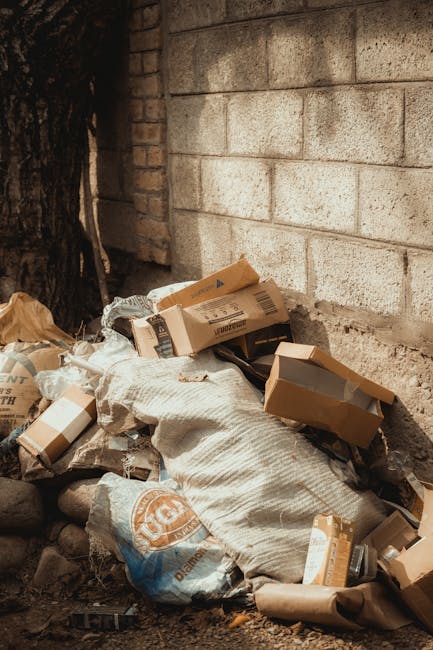
Common Mistakes to Avoid
Most rubbish issues in Harringay come from a handful of predictable mistakes.
- Putting the wrong material in the wrong bin. This can contaminate recycling and create extra work for collection crews.
- Leaving waste out too early. It may seem harmless, but it can attract attention, litter, or complaints.
- Ignoring bulky item rules. A sofa or washing machine is not the same as bagged rubbish.
- Overfilling containers. Lids should close properly. If they don't, the wind and wildlife will do the rest.
- Using the pavement as temporary storage. That is how a small job becomes a public nuisance.
- Assuming shared-bin buildings operate like houses. Flats often have different routines, and one person's guess is another person's problem.
A good rule of thumb: if you're not sure where something belongs, pause before throwing it out. That brief pause saves more trouble than it costs. Usually.
Tools, Resources and Recommendations
You do not need a complicated system to stay organised. A few simple tools will do the job nicely.
- Re-usable sacks or sturdy liners: useful for keeping waste contained and reducing split bags.
- Phone reminders: handy for bin days, especially if you manage more than one property or work irregular hours.
- Labels for shared spaces: a basic note on which bins are for which material can reduce confusion in blocks or HMOs.
- Boxes for small recyclables: better than stuffing mixed bits into one bag and hoping for the best.
- Professional clearance support: helpful when you have too much waste, too little time, or items that need careful handling.
If you are looking for a deeper operational overview, our services overview and pricing and quotes pages are useful next stops for understanding how different kinds of waste jobs are typically handled.
For people dealing with business premises, office clearance in Harringay can be the more suitable route when desks, files, fittings, and mixed office waste are involved.
Law, Compliance, Standards, or Best Practice
Waste disposal in the UK sits within a wider compliance framework, and while the exact responsibilities depend on the situation, the principle is straightforward: waste should be stored, presented, transferred, and disposed of responsibly. That applies to residents, landlords, businesses, and anyone arranging removal on someone else's behalf.
In plain English, that means you should not fly-tip, should not present waste in a way that obstructs public space, and should take care with items that can cause harm. Sharp objects, heavy materials, and electricals need extra thought. If you are arranging a clearance service, it is sensible to choose a provider that works safely, keeps waste handling orderly, and uses appropriate disposal routes.
Best practice also means making sensible decisions about reuse and recycling before disposal. Even if an item cannot be kept, it may be more appropriate to separate recyclable materials from general waste. This is especially relevant in busy residential areas where one poorly managed pile can cause immediate issues for neighbours and passers-by.
For readers who value the ethical side of the service as well as the practical side, the company's insurance and safety information and sustainability approach are useful reference points. They help show that rubbish handling is not just about speed; it is also about doing things properly.
Options, Methods, or Comparison Table
Different waste situations call for different methods. Here's a simple comparison to help you choose the right one.
| Method | Best for | Pros | Limits |
|---|---|---|---|
| Regular council collection | Routine household waste and recycling | Built into normal household life, simple once you know the schedule | Not suitable for most bulky or unusual items |
| Bulky item arrangement | Sofas, beds, appliances, one-off larger items | Designed for oversized waste, less hassle than improvising | May require planning and waiting time |
| Private rubbish collection | Fast removal, mixed loads, awkward clear-outs | Flexible, practical, often quicker | Costs more than routine collection |
| House clearance | Full or near-full property clearances | Covers large volumes and mixed items in one go | Usually overkill for a single bag or two |
| Garden waste removal | Cuttings, branches, soil-related waste | Useful after pruning, landscaping, or seasonal tidy-ups | Not for general household rubbish |
If you're not sure which route fits, use the size and type of waste as your guide. One bin bag? Keep it simple. A van-load after a tenancy change? Different story entirely.
Case Study or Real-World Example
A very normal Harringay scenario goes like this. A resident starts with a few broken shelves, an old chair, and some bagged clutter from the spare room. Then the hallway cupboard gets opened, and suddenly there are more odds and ends than expected. Half an hour later, there is a small mountain by the door and no clear plan for where it all goes.
In that sort of case, the useful step is to divide the load. Recyclables first, general waste second, bulky items separately. If the bulky items are too awkward, too heavy, or too many, it makes more sense to arrange a dedicated collection than to leave them waiting for "the next opportunity". Because, frankly, the next opportunity is usually just another busy day.
We have also seen this come up in mixed residential areas around the borough, where shared access and limited storage make timing especially important. A tidy, quick removal tends to be less stressful for everyone involved, especially when neighbours are coming and going with prams, shopping bags, or bikes. Small thing, but it matters.
For more localised context, our guides on Green Lanes rubbish removal and fast same-day rubbish removal in Harringay cover the sort of practical situations people run into when rubbish builds up faster than expected.
Practical Checklist
Use this quick checklist before putting anything out for collection or arranging removal.
- Have I separated general waste, recycling, food waste, garden waste, and bulky items?
- Do I know the correct collection day and time?
- Are the bins or bags contained securely?
- Will anything block the pavement, entrance, or shared access area?
- Does any item need special handling because it is sharp, heavy, or awkward?
- Have I checked whether the item should be reused, recycled, or removed as bulky waste?
- If it is a larger clearance, have I planned the method before moving everything outside?
- Will I be able to bring bins back in quickly after collection?
That last one gets overlooked a lot. It sounds small, but bringing containers back promptly is one of the easiest ways to keep a street looking cared for. Neat habits, basically.
If you are comparing disposal options, the company's waste removal in Harringay page is also worth a look for understanding how different jobs are usually approached in practical terms.
Get a free quote today and see how much you can save.
Conclusion
The best way to handle Haringey Council rubbish rules in Harringay is to keep things simple, planned, and respectful of the space around you. Know your waste types, follow the collection rhythm, and do not treat bulky waste like ordinary bin rubbish. Most problems disappear once the process is clear.
For households, landlords, and businesses alike, the payoff is real: less clutter, fewer complaints, cleaner streets, and a smoother day-to-day routine. And if the job is bigger than the bins can handle, there is nothing wrong with choosing a more efficient route. Sometimes the sensible option is just the sensible option. No drama needed.
Take care of the waste, and the rest of the space tends to feel better too. Funny how that works.

Copyright © . House Clearance Harringay. All Rights Reserved.