Recycling and donation options for Harringay rubbish clearance
Posted on 22/10/2026
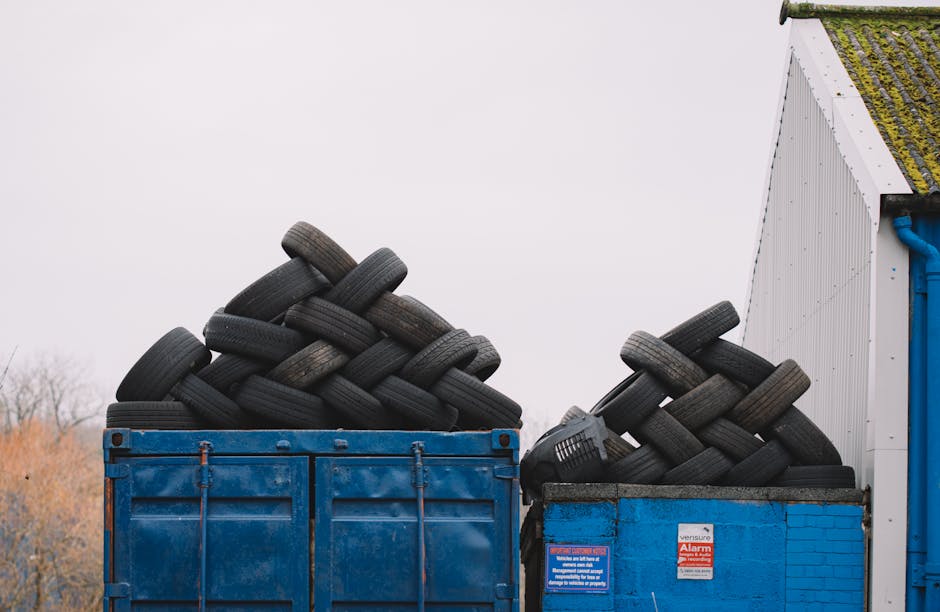
If you are sorting out a flat, clearing a loft, or dealing with a bulky pile of items after a move, the question is usually the same: what can be reused, what should be recycled, and what really needs to go as rubbish? In Harringay, that decision matters more than most people think. Recycling and donation options for Harringay rubbish clearance can cut waste, reduce disposal costs, and make the whole job feel far less wasteful. To be fair, it is also the more sensible way to clear a home or business - not every chair, bookcase, or box of mixed bits belongs in a skip or van straight away.
This guide breaks the process down in plain English. You will learn how the recycling and donation side of clearance actually works, which items are usually best kept out of general waste, and how to make quicker, smarter decisions on the day. We will also cover common mistakes, local best practice, and a simple checklist you can use before the van arrives. If you are weighing up a full clearance, a partial collection, or just trying to avoid needless waste, this should help.
Why Recycling and donation options for Harringay rubbish clearance Matters
Harringay has the usual London mix: compact flats, busy high streets, shared houses, older terraces, and people constantly shifting things around. That means rubbish clearance often turns up all sorts of items in one go - furniture, small appliances, books, textiles, garden waste, office clutter, and the odd mystery box that has been hiding under the stairs for years. If you throw everything into general waste, you lose the chance to reuse useful items and you usually create more disposal cost and more environmental impact than necessary.
Recycling and donation options matter because a clearance is rarely just "waste". In practice, many loads contain a surprising amount of material that can be reused, separated for recycling, or passed on to a charity or community group. A stained sofa may be unsuitable for donation, but the books on it, the lamp beside it, and the metal shelving in the corner may all have a second life. That is the kind of small sorting decision that makes a big difference.
There is also a practical side. If you are moving out, helping a relative downsize, clearing after tenants, or refreshing a business premises, sorting items properly can make the whole job neater and faster. You see the useful bits sooner. The room feels lighter. And suddenly the "huge clear-out" is just a manageable sequence of decisions.
One small but important point: donation and recycling are not the same thing. Donation means an item is still usable by someone else. Recycling means the item is processed so the material can be used again. If you mix those up, you may end up sending good items to disposal unnecessarily. Not ideal, obviously.
How Recycling and donation options for Harringay rubbish clearance Works
The process is usually straightforward, but the best results come from a little preparation. A good clearance starts with sorting, not lifting. In other words, it is much easier to decide what can be reused before it is all piled in one room or loaded into a van.
Here is the typical flow:
- Identify reusable items first. This includes clean furniture, working electronics, unopened household goods, and items that still have obvious life left in them.
- Separate recyclables. Metals, some plastics, cardboard, certain wood items, and some electrical equipment often need their own treatment depending on condition and material type.
- Check what donation channels will accept. Charities and reuse organisations can be selective, especially with upholstered furniture, mattresses, electrical items, or anything damaged.
- Set aside true waste. This is the last group: broken, contaminated, unsafe, or non-recoverable material.
- Arrange collection or drop-off. Depending on the load, items may be taken as part of a wider rubbish collection or handled separately for reuse and recycling where suitable.
In real life, the tricky bit is often not the heavy lifting. It is the judgement call. Is that wardrobe sturdy enough for a second home? Is the toaster actually working, or just pretending to be? Let's face it, some items make this decision easy and others require a quick reality check.
If you are using a professional clearance service, it helps to ask how they separate donation items from recyclable material. A responsible team will usually try to divert as much as possible away from disposal, provided the items are in a suitable condition and the destination can accept them. For a broader view of clearance services in the area, you may also find the services overview useful, especially if you are comparing clearance types before booking.
Key Benefits and Practical Advantages
There are obvious environmental benefits, but the practical upside is just as strong. In a typical Harringay clear-out, donation and recycling can help with the following:
- Less landfill use: useful items stay in circulation instead of becoming waste too soon.
- Better value: separated recyclables and reusable goods may reduce the amount of disposal required.
- Faster sorting: once items are grouped properly, the clearance feels more organised and less chaotic.
- Support for local reuse: good-condition items can help households, charities, or community projects.
- Cleaner handovers: landlords, sellers, and tenants often need a property left tidy and easier to re-let or sell.
- Less waste guilt, frankly: you are less likely to look at a half-empty room and think, "we chucked out far too much."
There is also a quieter benefit that people notice after the fact: better decision-making. Once you start looking at a clearance through the lens of reuse and recycling, you naturally buy less clutter in future. That sounds a bit grand, but it is true. Many people become more selective after one good clearance.
For homeowners and landlords in the area, this can be especially useful when a place needs a quick but responsible reset. If your clearance includes mixed household waste and heavier items, the broader rubbish collection in Harringay service route can be a sensible starting point before deciding what can be donated or recycled.
Who This Is For and When It Makes Sense
This approach suits a lot more people than you might think. It is not just for anyone trying to be eco-conscious, though that is a good reason in itself. It also makes sense for very practical situations where the goal is simply to clear space without wasting usable goods.
- People moving home: moving is the classic moment for a proper sort-out. You spot all sorts of things you have not used in years.
- Landlords and letting agents: after a tenancy ends, there is often a mixture of kept items, damaged goods, and salvageable furniture.
- Families downsizing: a smaller home means fewer duplicates, less storage, and more decisions about what stays.
- Businesses closing or refitting: office furniture, shelving, files, and equipment may still have value.
- Garden and shed clearances: tools, pots, and metal items can often be separated from the true rubbish.
- Estate clearances: this is where a calm, respectful approach matters most, because the emotional side is real.
Sometimes the best reason is simply that you want a cleaner result. A room that is emptied thoughtfully tends to feel less stripped and more orderly. That matters, especially in a busy part of London where space is always at a premium. If you know you will need a broader clearance, the house clearance in Harringay page gives a useful sense of how domestic clear-outs are handled.
Truth be told, many people only think about donation at the end. That works, but it is a bit like doing the shopping and only then checking the fridge. Better to plan it earlier if you can.
Step-by-Step Guidance
If you want the process to run smoothly, work through it in a steady order. No drama. Just a proper sequence.
1. Walk through the space first
Look at the room, loft, garage, office, or garden and divide items into broad groups: donate, recycle, dispose, and maybe. That last category matters because not everything is obvious on first glance. A chair with a wobbly leg may still be repairable. A box of cables may be recyclable, but only if they are sorted out rather than left tangled in a heap.
2. Check condition honestly
Donation only works when the item is clean, safe, and useful to somebody else. If something smells damp, is broken in a way that matters, or would be awkward to repair, it is probably not donation material. Be honest here. There is no prize for optimism with a cracked wardrobe door.
3. Pull out the easy recycling wins
Cardboard packaging, scrap metal, some plastics, and certain electrical items are often easier to separate than people expect. Mixed loads are what make recycling difficult, so separating material early is a smart move. If you are clearing a business space, you may also have a lot of reusable office furniture that could be kept out of the waste stream entirely.
4. Decide what can be donated
Common donation-friendly items include clean furniture, books, kitchenware, toys in decent condition, working small appliances, and clothing. Some charities and reuse organisations have specific rules, especially for upholstered goods, so it is worth checking in advance rather than assuming everything will be accepted.
5. Keep hazardous or specialist items separate
Paint, chemicals, fluorescent tubes, batteries, and some electrical items should not be mixed into a general pile. They may need special handling. This is one of those areas where a little caution saves a lot of hassle later.
6. Arrange the clearance in the right order
Start with donation and reuse items if they are easy to access. Then move to recyclable material. Finally, remove the rest. That order helps keep good items clean and avoids them being damaged by heavier waste. If a van is being used, make sure items are loaded so the reusable pieces are not crushed under the heavy stuff. Common sense, really, but it gets missed all the time.
7. Keep a final check before everything leaves
Do one last scan of cupboards, shelves, loft corners, and under furniture. People almost always find one more bag, one more box, or one more plant pot. Always. It is a tiny annoyance, but it saves you from that sinking feeling later.
Expert Tips for Better Results
After a few clearances, certain patterns become obvious. The following tips are the ones that save the most time and mess.
- Use labels or tape. Mark boxes "donate", "recycle", and "waste" so nobody has to guess.
- Keep fragile donation items together. It is no good rescuing a lamp if it gets smashed under a stack of books.
- Make one quick decision zone. A corner, hallway, or spare room works well. It stops the whole property from becoming a sorting maze.
- Check items before the van arrives. A five-minute review can prevent accidental disposal of something useful.
- Clean lightly where possible. A quick wipe can make the difference between donation and rejection.
- Do not overestimate broken items. If it is genuinely beyond repair, move on. Sentiment is understandable, but storage space is not infinite.
One practical habit that pays off is photographing items before sorting starts. That way, if you need to ask whether something should be donated, recycled, or removed as waste, you can check without dragging it back out of a pile. Sounds a bit fussy, maybe, but it works.
If your clearance is tied to a renovation or rebuild, the waste picture can change quickly. In those cases, the guidance in builders waste disposal in Harringay can help you think more clearly about separating rubble, packaging, timber offcuts, and reusable fixtures.

Common Mistakes to Avoid
Even well-meaning clearances go wrong in a few predictable ways. These are the ones that cause the most frustration.
- Mixing donation items with general rubbish. Once items are contaminated, they are much less likely to be reused.
- Assuming everything old is recyclable. Age is not the issue; material and condition are what matter.
- Leaving decisions until the end of the day. That usually leads to rushed choices and more waste.
- Forgetting bulky hidden items. Behind wardrobes, under beds, and in loft corners are the usual culprits.
- Trying to donate damaged goods. This creates unnecessary delay for everyone involved.
- Ignoring specialist items. Batteries, paint, and some electricals need separate treatment.
Another common issue is confusion about what counts as "good enough" for donation. If you would be happy to receive the item yourself in that condition, it is probably suitable. If you would quietly put it straight in the shed and forget it, it may be better treated as reuse or recycling rather than donation. That is not a legal rule, just a useful yardstick.
And yes, the classic mistake of finding a second pile after the clearance is finished still happens. More often than anyone admits.
Tools, Resources and Recommendations
You do not need specialist kit to make a clearance more sustainable, but a few simple tools make a big difference.
- Sturdy boxes or crates: useful for separating books, crockery, electronics, and loose household items.
- Permanent marker and tape: for clear labels on boxes and bags.
- Basic gloves: especially helpful in lofts, gardens, or storage spaces where dust and old packaging build up.
- Strong bags: for textiles, soft toys, and smaller mixed items.
- Measuring tape: handy if furniture needs to be moved through narrow hallways or stairwells.
On the service side, it helps to know what level of clearance you actually need. A full property clearance is not always necessary. Sometimes a smaller collection is enough, and that can make it much easier to salvage reusable items. If you are comparing service types, the waste removal in Harringay page may also be useful for understanding broader removal options.
For pricing and planning, it is sensible to compare like with like. A pile of mixed recyclables, a set of donation-ready furniture, and a load of general waste are not the same job. The clearer your list, the better the quote tends to be. If you want to understand how charges are generally approached, take a look at the pricing and quotes information as part of your planning.
Law, Compliance, Standards, or Best Practice
Clearance work in the UK sits alongside sensible environmental practice and proper waste handling. You do not need to become a legal expert to do this well, but there are a few basic principles worth respecting.
First, waste should be handled responsibly and transferred only to legitimate operators. That means checking that whoever takes the material is properly set up to deal with it. Second, some items need special care because they can be hazardous, fragile, or subject to different handling rules. Third, duty of care matters: if you hand over waste, you should be reasonably sure it is going to the right place.
There is also a broader best-practice point. Clearances should aim to keep reusable items in use for as long as possible, then recycle what remains, and only dispose of what genuinely cannot be recovered. That hierarchy is sensible whether you are clearing a home, office, or garden. It is also a pretty decent rule of thumb if you are trying to avoid fly-tipping risks and avoidable waste.
If you are managing a business clearance, it is especially wise to use properly insured and licensed waste handling arrangements. The licensed and insured waste removal for Harringay businesses page is a helpful reference point when you need a more formal service standard.
Expert summary: the safest, cleanest clearance is usually the one that sorts items before removal, keeps reusable goods separate, and uses a responsible destination for everything that leaves the property. Simple in principle. Much better in practice.
Options, Methods, or Comparison Table
There are several ways to handle unwanted items, and the right choice depends on time, condition, quantity, and how organised the load is. Here is a simple comparison.
| Option | Best for | Pros | Limitations |
|---|---|---|---|
| Donation | Clean, usable items in good condition | Extends item life, supports others, reduces waste | Not all items are accepted; condition standards can be strict |
| Recycling | Materials that can be processed again | Reduces landfill, recovers raw materials | Requires sorting; mixed loads can reduce effectiveness |
| Reuse/resale | Quality furniture, tools, or appliances with value | May recover some value; keeps goods in circulation | Usually takes more time and condition checking |
| General waste disposal | Broken, contaminated, or non-recoverable items | Fast and straightforward | Least sustainable option; can be more costly in volume terms |
In practice, most Harringay clearances use a mix of these methods. That is normal. Very few jobs are all-donation or all-recycling. The real skill is balancing speed and responsibility without turning the room into a sorting warehouse for three days. Nobody wants that.
Case Study or Real-World Example
Imagine a two-bedroom flat near Green Lanes after a move-out. The rooms contain a sofa, a dining table, two chairs, several bags of books, a microwave, old kitchenware, cardboard boxes, and a few broken bits from the shed at the back. It looks like a single pile at first. Very unhelpful.
Once sorted, the picture changes:
- The books are boxed for donation.
- The dining table is checked for condition and kept separate as a reusable item.
- The microwave is tested and treated according to whether it still works.
- Cardboard is separated from the mixed waste.
- Broken shed items are grouped with the true rubbish.
The result is a cleaner clearance with less waste and fewer items thrown away unnecessarily. The property is left looking calmer, and the useful pieces have a much better chance of being passed on. That is the part people often notice afterwards. Not just "it is empty", but "it was handled properly".
We have seen this kind of approach save a lot of time in practical terms because the team is not constantly re-sorting a mixed pile. It is a small detail, but on a busy street or a tight stairwell, small details matter.
Practical Checklist
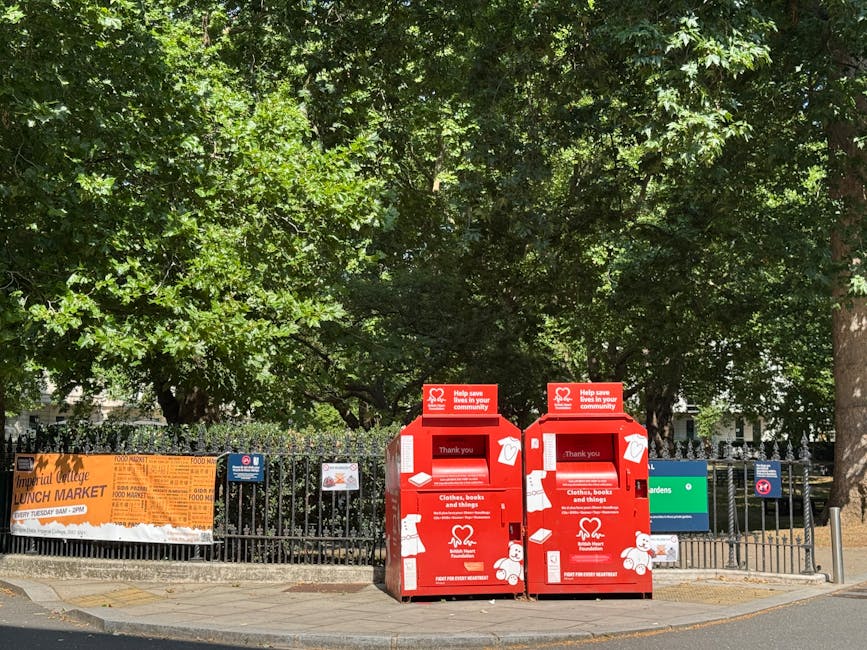
Use this quick checklist before any Harringay clearance that includes recycling or donation.
- Separate items into donate, recycle, waste, and unsure.
- Check that donation items are clean and usable.
- Remove personal papers, photos, and anything sensitive.
- Unplug and sort electrical items early.
- Keep batteries, chemicals, and sharp objects apart.
- Break down cardboard where possible.
- Group metal items together if they are safe to move.
- Label boxes clearly so nothing gets mixed up.
- Measure large furniture for access routes if needed.
- Do a final room-by-room check before collection day.
If you can tick most of those off, you are already ahead of the game.
Get a free quote today and see how much you can save.
Conclusion
Recycling and donation options for Harringay rubbish clearance are not just a nice extra. They are often the smartest part of the job. They help you reduce waste, keep useful items in circulation, and make the overall clearance feel more controlled and less chaotic. When you sort well, the whole process becomes easier to manage, whether you are clearing a home, office, garden, or rental property.
The key is simple: decide early, separate carefully, and treat reusable items differently from true waste. That approach saves effort and usually produces a better result. It also feels better, which matters more than people admit. Clearing space can be stressful enough without the nagging sense that good stuff has been thrown away for no reason.
If you are ready to take the next step, start with the items that are easiest to reuse or recycle, then work through the rest methodically. A good clearance is rarely flashy. It is just steady, sensible, and respectful of the materials in front of you. And that, honestly, is what makes the difference.

Copyright © . House Clearance Harringay. All Rights Reserved.