Harringay Ladder and Alexandra Park rubbish collection case study
Posted on 29/05/2026
Harringay Ladder and Alexandra Park Rubbish Collection Case Study
If you are trying to clear rubbish in the Harringay Ladder or near Alexandra Park, the job can look simple from the pavement and then turn messy very quickly. Narrow front paths, shared access, parked cars, basement steps, last-minute timing changes, and a pile of mixed waste all have a way of turning "just get it gone" into a proper logistical exercise. This Harringay Ladder and Alexandra Park rubbish collection case study breaks down what tends to matter, how a collection is usually planned, and what makes the difference between a smooth pickup and a frustrating one.
It is written for people who want practical answers, not theory. Whether you are clearing a flat off Green Lanes, dealing with bulky items after a move, tidying a rental property, or managing garden waste after a bit of weekend work, the same basics apply: access, sorting, timing, safety, and the right disposal route. And yes, a little local awareness goes a long way.
For readers who want a broader view of the area, it can also help to understand the local streets and community context through this guide to Haringey life and the company's services overview. Those pages are useful background before deciding what kind of collection you actually need.

Why Harringay Ladder and Alexandra Park rubbish collection case study Matters
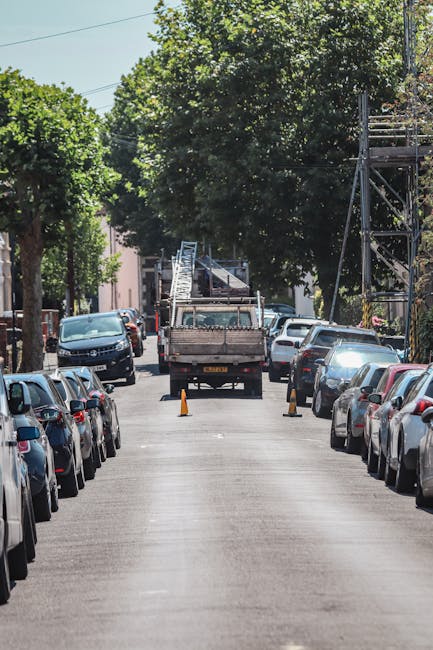
This case study matters because rubbish collection in north London is never just about lifting bags into a truck. In the Harringay Ladder, properties often come with tighter front access, shared walkways, terraced layouts, and awkward parking conditions. Around Alexandra Park, the mix of family homes, rental properties, and residential streets means timing and discretion can matter just as much as the actual clearance.
In practice, that means the same job can go very differently depending on the street, the type of waste, and the condition of the property. A few black bags and a broken wardrobe may take a quick, tidy collection. A mixed pile of builder's waste, old furniture, and garden cuttings may need sorting, loading discipline, and a better disposal plan. The local geography is part of the job, not just the background.
There is also a trust angle. People do not just want rubbish removed; they want it handled properly, with some sense that it will be reused, recycled, or disposed of responsibly. That is why many customers look for a provider that can explain what happens after the collection and how the service fits into broader recycling and sustainability practices. Truth be told, that reassurance matters a lot more than most firms admit.
Another reason this topic matters is that rubbish collection often sits right next to other property decisions. Landlords, sellers, and even first-time buyers may need clearance before photos, viewings, check-ins, or renovations. If you are in that position, a local article like successful property investment in Haringay can help frame why clean, usable space affects value and presentation.
How Harringay Ladder and Alexandra Park rubbish collection case study Works
At a practical level, rubbish collection works best when it starts with a clear picture of the waste, the access, and the outcome you want. That sounds obvious, but people often skip straight to "how much will it cost?" before anyone has checked whether the load includes mattresses, timber, white goods, garden waste, or construction debris. Different waste types can affect handling, loading time, and disposal requirements.
A sensible local collection usually follows a simple flow:
- Initial description of what needs removing.
- Assessment of access, parking, stairs, and loading distance.
- Discussion of waste type and volume.
- Booking a collection time that fits the property and the street.
- On-site loading and final sweep-up.
- Responsible disposal, with sorting where possible.
That final sweep-up often gets overlooked. Yet in the real world, it makes a big difference. A cleared hallway that still has splinters, dust, and scrap packaging does not feel properly done, does it?
For homes near the Ladder, access can be especially important. Front gardens, narrow steps, and railings can slow loading if items have to be carried out one by one. Near Alexandra Park, a collection may be easier in some streets, but timing around school runs, resident parking, and evening traffic can still make a good plan essential. Sometimes the job is not hard, just badly timed.
If you are comparing service types, it may help to review the differences between rubbish collection in Harringay and broader waste removal services. Rubbish collection is often the quicker, more targeted option; waste removal may be more suitable when the job includes mixed materials or heavier volumes.
Key Benefits and Practical Advantages
The biggest benefit of a well-run rubbish collection is time. Instead of dragging bags to a skip, waiting around, or making multiple car trips to a disposal point, you get the waste removed in one visit. For busy households and landlords, that is often the deciding factor.
There are other advantages too:
- Cleaner access and safer movement during a move, renovation, or deep tidy-up.
- Less disruption for neighbours, especially in shared or narrow streets.
- Better sorting of recyclable and reusable materials where possible.
- Reduced lifting risk compared with moving heavy items yourself.
- More predictable planning than ad hoc trips to the tip.
One of the quieter benefits is psychological. A cluttered room, hallway, or garden can weigh on you more than you expect. You know the type of space: the old chair leaning in the corner, a pile of cardboard behind the door, half a broken shed panel that has been "temporarily" standing there for two months. Once it is gone, the room breathes again. Small thing, big relief.
For people making decisions in the area, it is also worth thinking about future use of the property. Cleaner, usable spaces support tenancy turnover, sale preparation, and renovation planning. If you are exploring local home value or rental strategy, investing in Haringey real estate is a useful companion read.
| Approach | Best for | Strengths | Limitations |
|---|---|---|---|
| Booked rubbish collection | Mixed household waste, bulky items, one-off clear-outs | Convenient, quick, less manual effort | Needs clear item description and access planning |
| Skip hire | Longer projects, ongoing DIY or renovation waste | Flexible loading over time | Needs space, permits may be required, can be less tidy |
| Self-haul | Very small loads or highly flexible schedules | Direct control over timing | Time-consuming, physically demanding, multiple trips |
Who This Is For and When It Makes Sense
This kind of rubbish collection makes sense for a wide mix of people. In Harringay Ladder and Alexandra Park, the most common situations usually include:
- homeowners clearing before a move
- tenants moving out and needing the place left tidy
- landlords between tenancies
- estate agents and property managers preparing for viewings
- families after a declutter or loft clear-out
- tradespeople with leftover renovation waste
- garden owners dealing with branches, soil bags, and cuttings
It is also useful when you have a mix of waste types. Maybe there is a sofa, a couple of broken shelves, some old toys, and a few bags of pruning waste. A lot of people underestimate how annoying mixed waste can be because it is not one big pile, just lots of little bits that add up. That is exactly the sort of job that feels manageable until you start sorting it by hand.
If your waste is mostly from a building project, the better fit may be a service focused on builders waste disposal in Haringey. If it is garden-heavy, then garden waste removal in Haringey may be the cleaner route. Matching the service to the waste saves a lot of bother later on.
Step-by-Step Guidance
If you want a smooth collection, the best results usually come from a bit of front-loaded organisation. Here is a practical way to approach it.
1. Walk through the space and identify everything
Do a proper room-by-room or area-by-area check. It sounds dull, but it avoids surprises. Look inside cupboards, behind doors, in sheds, on balconies, and under stair storage. That one extra bag under the sink has a funny way of becoming the thing that slows everything down.
2. Separate waste into simple groups
At minimum, try to separate household rubbish, bulky furniture, garden waste, and construction-related materials. You do not need to create a perfect recycling workshop in the living room. Just make it easier for the collection team to see what they are dealing with.
3. Check access and parking before the day arrives
Is there a narrow stairwell? A shared drive? A long walk from the road? Is parking likely to be tight at school-run time or on a busy evening? These small details can affect timing more than the actual lifting.
4. Flag anything awkward or hazardous
Broken glass, paint tins, sharp metal, electrical items, heavy gym equipment, and damp materials should be mentioned early. Hazardous or restricted items often need special handling, and nobody benefits from finding that out halfway through loading.
5. Book a service that matches the real job
Do not undersell the load. If you are clearing a full flat, say so. If the loft contains years of mixed clutter, mention that. Slight over-description is usually better than a rushed estimate that turns out to be wrong.
6. Prepare the items the night before if you can
Move waste to one area, keep exits clear, and label anything that should not be taken. A simple "keep" pile and "remove" pile can save a surprising amount of confusion. Very old-fashioned, very effective.
7. Do a final check after collection
Once the waste is gone, look for forgotten fragments, screws, packaging, or bits tucked beside skirting boards. A 60-second sweep can turn a good job into a finished one.
Expert Tips for Better Results
A few local habits can make collections easier and cleaner. First, be realistic about load size. People often describe a pile as "small" when it really means a full van load. There is no judgement in that, by the way. It is normal. It just helps to be accurate.
Second, think about the order items will come out of the property. Heavy, awkward pieces should usually be staged so they are not trapped behind lighter clutter. If the sofa is wedged behind six boxes and a lamp, the team will spend more time moving things around than loading the actual waste.
Third, if your property is on a busy street, timing matters almost as much as price. Early mornings can be calmer for loading, while late afternoons may be trickier due to traffic and parking pressure. In a place like Harringay, a twenty-minute window can feel like a lot or nothing at all.
Fourth, ask about recycling where possible. A good provider should be able to explain how reusable and recyclable material is separated. If environmental responsibility matters to you, it is worth checking the service ethos alongside the practical side. The company's recycling and sustainability information is a sensible place to start.
Expert summary: the smoothest collections are usually the ones where the waste is described clearly, access is planned properly, and the provider knows the local street pattern. Simple, but not always easy.
And one more thing. Do not leave everything to the last minute if you can help it. A rushed morning often leads to missed items, bad estimates, and that slightly frantic feeling of trying to sort a hallway while someone is waiting outside. Nobody enjoys that, least of all you.
Common Mistakes to Avoid
The most common mistakes are not dramatic. They are the little things that stack up.
- Mixing keep and remove piles so the wrong items get taken.
- Underestimating volume and booking the wrong type of collection.
- Forgetting access issues like steps, tight corners, or parking restrictions.
- Ignoring heavy or awkward items until the day of collection.
- Assuming all waste can go together without asking about special handling.
- Not checking what happens after collection in terms of reuse or recycling.
Another mistake is treating rubbish collection as a last-minute panic job when it is actually part of a wider property plan. If you are preparing a rental, sale, or refurbishment, get the clearance sequenced early. It saves rework. It really does.
People sometimes also forget that not every service is designed for every type of waste. Office items, for example, are a slightly different conversation from domestic clutter. If that is your situation, take a look at office clearance in Harringay rather than guessing.
Tools, Resources and Recommendations
You do not need fancy equipment for a good rubbish collection, but a few practical tools make life easier.
- Strong bin bags for smaller loose waste.
- Marker labels or tape to identify keep items.
- Basic gloves for moving clean household clutter safely.
- A tape measure if you have bulky furniture or narrow stairs.
- Phone photos to send clear visuals when asking for a quote.
Photos are especially useful. A quick picture of the pile, the hallway, and the access route often gives a better idea than a paragraph of explanation. If there is a basement, side gate, or awkward turn on the stairwell, include that too. It is one of those small habits that saves everyone time.
When you are comparing options, it also helps to read the local pricing guidance so you know what is being quoted and why. The page on pricing and quotes can help you understand the usual structure of a job without getting lost in jargon.
For broader local advice and a practical feel for the neighbourhood, the article on living in Haringey offers a grounded perspective on daily life, which is useful when you are scheduling a collection around real-world routines.
Law, Compliance, Standards, or Best Practice
For rubbish collection in the UK, the big idea is simple: waste should be handled responsibly, and the party removing it should be able to demonstrate safe, lawful disposal practices. The exact rules can vary depending on the material, the type of property, and whether the waste is household, commercial, or construction-related.
In plain English, that means you should expect:
- proper handling of waste rather than fly-tipping or informal dumping
- careful separation of recyclable materials where practical
- safe handling of heavy, sharp, or awkward items
- transparent communication about what is and is not accepted
- clear terms around collection, payment, and scope
Where safety matters, it matters. Moving large items through narrow hallways or down stairs is not something to rush. A decent provider should follow sensible lifting practices and take care around fragile surfaces, people, and pets. If you want to know more about the company's approach to operational standards, the insurance and safety page is worth a look.
For customers, best practice is equally straightforward: declare the waste honestly, avoid adding extra material without checking, and keep anything you want to retain clearly separate. That may sound obvious, but on a busy collection day, obvious can still go missing.
There are also trust and policy pages that help set expectations. If you are reviewing a provider more carefully, the about us page and terms and conditions can clarify how the business operates, while the privacy policy and accessibility statement show how customer information and access needs are handled.
Options, Methods, or Comparison Table
For most people in the Harringay Ladder and Alexandra Park area, the choice comes down to a few practical methods. The right one depends on volume, timing, access, and how hands-on you want to be.
| Method | Best use case | Pros | Watch-outs |
|---|---|---|---|
| One-off rubbish collection | Bulky household waste, mixed clutter, quick clear-outs | Fast, tidy, low effort | Needs clear brief and accurate load size |
| Full waste removal service | Larger or more mixed jobs | Handles wider waste types, often more flexible | Can be more involved than a simple pickup |
| Specialist clearance | House, office, garden, or builders waste | Tailored to the setting and waste type | Requires the right category of service |
If the waste is mostly domestic and the goal is to get things out quickly, a targeted house clearance in Haringey may be more useful than trying to force everything into one generic collection. If the job is more like a neighbourhood-facing clean-up after outdoor work, the Green Lanes rubbish removal guide gives a useful local angle too.
Case Study or Real-World Example
Here is a realistic example based on the kind of job that comes up often in the area.
A first-floor flat near the Harringay Ladder needed clearing after a long tenancy. The load included a broken bed base, two wardrobes, bags of general rubbish, a small pile of cardboard, and a few items from the balcony. The access was awkward: narrow stairs, limited waiting space outside, and a short walk from the vehicle to the front door. Nothing impossible, just fiddly.
The key to the job was preparation. The items were grouped before arrival, a keep pile was separated from the remove pile, and the route from the flat to the street was left clear. The collection itself moved steadily because the awkward bits had already been identified. No one had to stop mid-job to ask, "Is this staying or going?" which, to be fair, is half the battle in many clear-outs.
Near Alexandra Park, a different kind of job might involve garden waste after pruning, some old outdoor furniture, and a few damaged household items from a garage or shed. In that situation, the collection works best when the lighter green waste is bagged or bundled and the heavier items are set aside separately. The result is quicker loading and less mess on the path.
The real lesson is not that every collection is complicated. It is that local conditions shape the process. A good service responds to the property, not the other way round.
Practical Checklist
Use this before booking or on the morning of collection:
- Have I identified every item that needs removing?
- Have I separated items I want to keep?
- Have I mentioned bulky, heavy, or awkward pieces?
- Do I know whether the waste is household, garden, builders, or mixed?
- Is access clear through hallways, gates, or stairs?
- Is parking or vehicle access likely to be an issue?
- Have I taken a few photos for reference if needed?
- Do I understand what the service will and will not take?
- Have I checked any special handling needs for sharp or hazardous items?
- Is there enough time to do a final sweep after collection?
If you can tick most of those off, you are usually in good shape. Not perfect, just prepared. That is enough.
Conclusion
The Harringay Ladder and Alexandra Park rubbish collection case study shows that the best results come from a mix of local awareness, clear sorting, and sensible planning. The area itself brings its own quirks - tight access in one street, parking pressure in another, a garden clear-up here, a flat clearance there - but the principles stay the same. Be clear about the waste, match the service to the job, and make the access as easy as possible.
When you do that, rubbish collection stops feeling like a stressful chore and becomes what it should be: a practical reset for the property and a bit of breathing room for you. And honestly, that can make a bigger difference than people expect.
Get a free quote today and see how much you can save.
For a deeper look at local services and support, you can also explore waste removal in Harringay and the company's broader about us information. Small steps, but they help you make a calmer choice.

Copyright © . House Clearance Harringay. All Rights Reserved.