Haringey Council fines flytipping penalties Harringay rubbish
Posted on 14/06/2026
Haringey Council fines flytipping penalties Harringay rubbish: what residents and landlords need to know
If you live, let, manage property, or run a business in Harringay, the subject of Haringey Council fines flytipping penalties Harringay rubbish is not just a dry council issue. It affects the look of the street, the safety of pavements, the reputation of a block, and, frankly, the amount of hassle you end up dealing with on a damp Tuesday morning when someone has dumped a sofa by the kerb.
This guide explains how fly-tipping penalties generally work, why councils take illegal dumping so seriously, and what practical steps help you stay on the right side of the rules. We will also look at sensible disposal options, how to avoid common mistakes, and when using a professional clearance service can be the calmer, cheaper choice in the long run. A lot of people only think about rubbish once it becomes a problem. Better to be a bit ahead of it.
Why Haringey Council fines flytipping penalties Harringay rubbish Matters
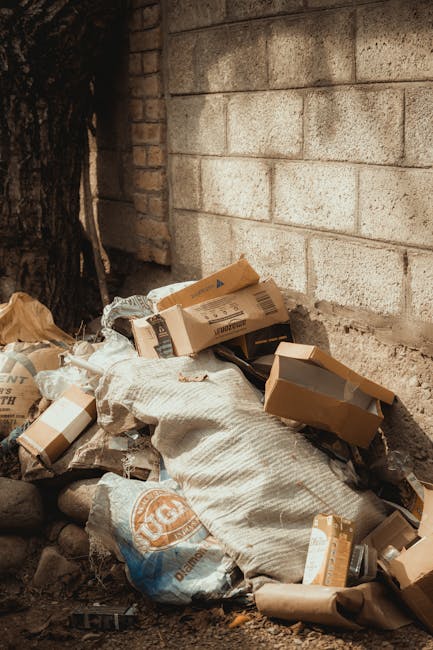
Fly-tipping is not just an eyesore. In an area like Harringay, where streets see a steady mix of residents, landlords, traders, and builders, illegal dumping can quickly create a chain reaction. One bag left beside a bin invites another. Then a mattress appears. Then a broken wardrobe. Before long, the pavement looks neglected and people start assuming nobody is in charge. That assumption alone can damage a local area.
For the council, fines and enforcement are part deterrent, part clean-up strategy. For residents, the message is simpler: if waste is left out incorrectly, if rubbish is handed to an unlicensed collector, or if someone dumps material on private or public land, the consequences can escalate. The penalty may fall on the person responsible, but the mess often affects everyone nearby.
There is also a wider point. In dense London neighbourhoods, waste problems are rarely isolated. A skipped garden clearance, an overfilled hallway, or a rushed refurbishment can all lead to piles that attract complaints. If you want a fuller local context on the area itself, the article about what makes Harringay feel like Harringay gives a useful sense of the community around Green Lanes and the surrounding streets.
Practical takeaway: the more visible the waste problem, the more likely it is to trigger reports, inspections, and enforcement pressure. In a busy residential area, small mistakes tend not to stay small for long.
How Haringey Council fines flytipping penalties Harringay rubbish Works
At a high level, councils can take action where rubbish is dumped illegally on public land or where waste handling appears careless enough to create environmental or safety problems. Exact processes can vary, so it is wise not to assume every case follows the same path. Still, the usual pattern is familiar.
Someone reports the dumping, photographs are taken, and officers assess whether the waste appears linked to a person, vehicle, business, or property. If there is evidence, the council may issue a fixed penalty, pursue further enforcement, or require removal. In some cases, the investigation focuses less on who physically dumped the waste and more on who arranged the disposal. That is where homeowners and landlords can get caught out.
This is why using a proper collection route matters. A cheap "man with a van" arrangement may look convenient, but if the waste ends up tipped somewhere off-grid, the original producer of the rubbish can face questions. Truth be told, that is the bit many people do not realise until they are already dealing with letters and phone calls.
What usually triggers enforcement?
- Waste left on a pavement, verge, or communal area without proper collection arrangements
- Household or building rubbish dumped in bags beside bins
- Fly-tipped items traced back to a property or vehicle
- Failure to use a lawful, traceable waste carrier
- Repeated complaints from neighbours, residents, or passers-by
Why the details matter
The details matter because rubbish is not judged only by what it is. It is judged by how it was produced, stored, moved, and handed over. A pile of builders' rubble outside a terrace house on Green Lanes does not become harmless just because it is "only for a day." If it blocks access, attracts vermin, or looks abandoned, it is likely to draw attention.
Key Benefits and Practical Advantages
It may sound odd to talk about "benefits" in a topic about fines and fly-tipping, but there are real upsides to managing waste properly. The biggest one is simple peace of mind. Nobody enjoys worrying whether a pile of rubbish might lead to a complaint, especially if you are juggling work, family, or a move.
There are also practical advantages:
- Lower risk of penalties: using the right disposal route reduces the chance of enforcement problems.
- Cleaner kerb appeal: tidy frontage helps homes, rentals, and businesses look cared for.
- Better neighbour relations: no one likes being the street where the sofa stays out for three days.
- Less time wasted: proper removal is quicker than arguing about who should have lifted what.
- Safer access: clear pavements and entrances reduce trip hazards and obstruction.
For landlords and property owners, this matters even more. A property with persistent rubbish issues can become harder to rent, harder to manage, and more expensive to put right. If you are thinking about the wider property picture in the borough, it is worth looking at how local property owners think about risk and presentation. Waste may seem minor, but it affects the whole first impression.
Who This Is For and When It Makes Sense
This topic is relevant to a surprisingly wide group. You may think it is just for people who have literally been fined, but that is only one piece of it.
- Homeowners clearing lofts, gardens, garages, or after a move
- Tenants who need to dispose of bulky items responsibly
- Landlords handling end-of-tenancy clearances or abandoned items
- Letting agents trying to keep communal areas tidy and compliant
- Builders and tradespeople dealing with renovation or demolition waste
- Shopkeepers and office managers needing regular rubbish collection
- Families dealing with accumulated clutter after a long-overdue sort-out
It makes sense to take action before rubbish becomes visible from the street. If you have a side alley, front garden, or shared access route, that space can quickly become the weak spot. One small oversight, and the whole place looks untidy. Happens all the time, honestly.
For everyday local living advice, there is also a useful piece on living well in Harringay day to day, which fits nicely with the practical side of keeping your property and surroundings in order.
Step-by-Step Guidance
If you want to avoid problems with Haringey Council fines flytipping penalties Harringay rubbish, the safest approach is to treat disposal like a small project, not an afterthought.
- Identify what needs removing. Separate general rubbish, bulky waste, garden waste, builders' materials, electrical items, and reusable goods. Mixed piles are harder to manage and easier to mis-handle.
- Check what can be recycled or reused. A quick sort can reduce the amount you need taken away. It can also reduce cost and waste. Not glamorous, but sensible.
- Choose a proper removal route. Use a service or collection method that is suitable for the waste type and volume. If you are dealing with heavier or mixed waste, look at a dedicated waste removal option in Harringay rather than trying to improvise.
- Keep proof of collection. Ask for a receipt, written confirmation, or clear record of who collected the waste and when. If anything goes wrong later, that paper trail helps.
- Do not leave waste in a public place. Even "just for a bit" can become a complaint. Councils and neighbours notice this stuff faster than you think.
- Schedule the clearance properly. If you are moving, refurbishing, or emptying a property, line up removal so rubbish does not sit around waiting for trouble.
One small but important clarification: the law and enforcement approach are not always the same for every scenario. Household waste, trade waste, and fly-tipped material are treated differently in practice. That is why a one-size-fits-all assumption can backfire.
A simple household example
Say you are clearing a spare room and have an old bed frame, broken drawers, two black bags of household rubbish, and a stack of cardboard. If you leave them behind a wall or beside communal bins, the situation can look like dumping. If you book a lawful clearance, sort the recyclable items, and keep a record of collection, you dramatically reduce the risk and the stress. Easy enough in theory; worth doing in reality.
Expert Tips for Better Results
After dealing with a lot of property clearances and mixed waste situations, a few patterns become obvious. The people who avoid trouble are not lucky. They are organised, and a bit boring in the best possible way.
- Plan for bulky items early. Sofas, mattresses, wardrobes, and white goods are the usual problem items because they are awkward to move at the last minute.
- Use the right service for the job. Garden cuttings are not the same as builders' rubble. Office furniture is not the same as household clutter. Matching waste type to service prevents mistakes. If your job is garden-heavy, for example, a dedicated garden waste removal service in Harringay can be a cleaner fit.
- Think about access. A narrow stairwell, parked cars, or a shared rear alley can slow everything down. It is better to know that before the van arrives.
- Keep neighbours informed if needed. A quick heads-up about a clearance or skip-free removal can reduce complaints, especially in tight residential streets.
- Prioritise licensed handling and traceability. If someone offers to take everything away for cash and no paperwork, ask yourself: where exactly is that waste going?
Expert summary: the safest waste plan is usually the one that is easiest to explain later. If you can clearly show what was removed, by whom, and on what date, you are in a far stronger position than if you just "sorted it out" informally.
If speed matters, especially in a busy street or after a last-minute clear-out, a same-day rubbish removal approach on Green Lanes can be a practical way to stop waste from lingering and causing a complaint.
Common Mistakes to Avoid
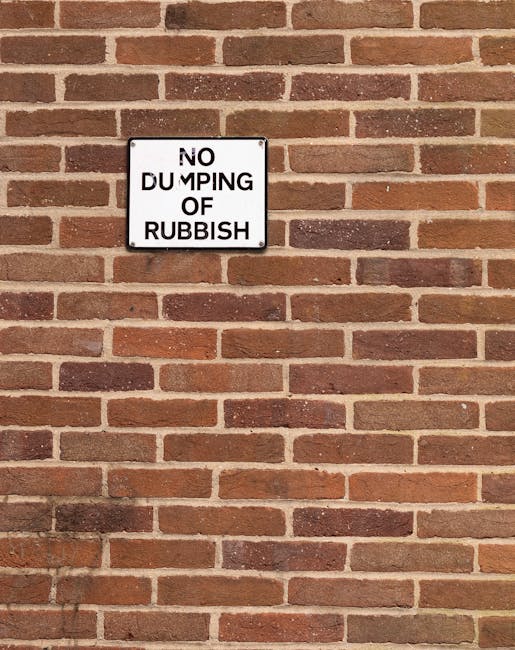
Most fly-tipping issues are not caused by dramatic bad intentions. More often, they are caused by shortcuts. A quick shortcut, then another, and suddenly the problem has grown legs.
- Assuming "it will be collected later" is good enough. If waste is left publicly visible, it can still be treated as dumped.
- Giving waste to an unknown collector. No paperwork, no traceability, no protection if something goes wrong.
- Mixing waste types together. This makes correct disposal harder and can increase the chance of rejection or extra handling.
- Leaving renovation waste outside too soon. Builders' waste should be handled carefully, not sat on the street like an invitation.
- Forgetting shared spaces. Communal bins, rear access areas, and alleyways are common trouble spots in Harringay.
- Ignoring small piles. One bag becomes three. You know the story.
A particularly common mistake is assuming domestic waste can be treated casually just because it came from a home. In practice, councils and waste teams look at the condition of the waste area, the nature of the material, and whether the disposal route was sensible. The small details matter a lot.
Tools, Resources and Recommendations
You do not need a complicated toolkit to stay compliant, but a few practical habits help a lot.
- Basic sorting boxes or bags for separating recyclable material from general rubbish
- A phone camera to record items before collection, especially for landlord or business records
- Simple written notes listing what is being removed and when
- Collection confirmation from your provider, where available
- Measured judgement on timing so waste is not left out too early
For a broader look at what a professional provider can cover, the services overview is a helpful starting point. It gives a clearer sense of how different types of waste and property clearances fit together.
You may also want to review the company's recycling and sustainability approach if you care about making sure waste is handled responsibly rather than just whisked away. And if you are comparing providers or trying to understand what affects cost, the page on pricing and quotes can help you ask better questions before you book.
Law, Compliance, Standards, or Best Practice
It would be irresponsible to pretend the legal side is simple. Waste law in the UK involves a mix of duties, responsibilities, and practical expectations. The exact enforcement response depends on the circumstances, but a few best-practice principles are steady.
First, do not hand waste to someone unless you have confidence that they are operating properly. Second, keep evidence where possible. Third, remember that duty of care does not vanish because the items came from your home, office, or garden. The person generating waste should take reasonable steps to ensure it is managed correctly.
For builders and trades in particular, the stakes are higher. Construction and renovation waste can be bulky, mixed, and highly visible. If you are managing a project in Harringay, a specialist route such as builders' waste disposal in Harringay is often the more sensible choice than trying to improvise with ordinary rubbish removal.
Best practice also includes access safety, clear communication, and making sure people who handle waste know what they are lifting. If you are using a provider, it is reasonable to expect sensible handling, clear terms, and basic reassurance about safety. The pages on insurance and safety, terms and conditions, and privacy policy may also matter to readers who want the admin side to be clear before they proceed.
Options, Methods, or Comparison Table
People often ask whether they should clear waste themselves, use a collection service, or rely on a one-off arrangement. The right answer depends on volume, access, urgency, and how much risk you are willing to manage.
| Option | Best for | Pros | Watch-outs |
|---|---|---|---|
| DIY disposal | Small, manageable amounts of household waste | Full control, low immediate outlay | Time-consuming, multiple trips, easy to get wrong |
| Council route / local approved collection | General waste that fits the available collection method | Structured and straightforward where suitable | May not suit bulky, mixed, or urgent jobs |
| Professional rubbish collection | Mixed loads, bulky items, tight deadlines | Convenient, faster, less manual effort | Needs clear scope and reputable handling |
| Full house clearance | Moves, probate, voids, end-of-tenancy, major decluttering | Comprehensive, efficient for large volumes | Requires planning and clear access |
If you are trying to clear a full property, the dedicated house clearance in Harringay page is more relevant than a generic rubbish solution. For offices, the office clearance service is the more natural fit. It sounds obvious, but picking the correct route prevents a lot of mess later on.
Case Study or Real-World Example
Here is a realistic scenario based on the kind of job that comes up often in Harringay.
A landlord on a side street off Green Lanes needs a flat cleared after a tenant move-out. The place has an old sofa, broken shelves, bags of mixed rubbish, and some garden clippings left in black sacks by the rear access. The landlord is busy, the next viewing is close, and there is pressure to get the place ready fast.
The tempting mistake would be to leave the waste near the rear alley "until someone can deal with it." That is where complaints tend to start. Instead, the landlord books a proper removal slot, separates the garden material from household waste where possible, and asks for confirmation of what was taken away. The property is cleared, the access remains tidy, and there is no awkward debate with neighbours about whether the pile had been "there for ages."
In a real neighbourhood, that matters. People see a stable rhythm of care: waste is dealt with, the place stays clean, and nobody has to wonder who is responsible. It is a small thing, but the street feels different when it happens consistently.
Practical Checklist
Use this simple checklist before you leave waste out, hand it over, or book a clearance.
- Have I identified exactly what type of waste I need removed?
- Have I separated recyclable, reusable, and general rubbish where possible?
- Have I chosen a suitable collection method for the waste type?
- Do I know where the waste will go after collection?
- Have I kept a note or record of the collection?
- Is the waste staying on private property until collection, not on the pavement?
- Have I considered access, parking, and timing?
- Am I confident the collection route is appropriate for the volume involved?
- Does the provider seem clear, practical, and transparent?
- Would I be comfortable explaining this arrangement if anyone asked later?
If you can answer yes to most of those, you are already ahead of many avoidable waste problems.
Conclusion
Haringey Council fines flytipping penalties Harringay rubbish is really about responsibility, visibility, and good judgement. The penalty side matters, yes, but the deeper lesson is simpler: waste that is managed properly stays invisible, and waste that is ignored quickly becomes everyone's problem.
For Harringay residents, landlords, and local businesses, the best approach is the calm one. Sort the waste, choose a proper route, keep records, and do not assume a quick fix will stay quick. Whether you are clearing a single bulky item or dealing with a whole flat, the right process saves time, money, and a fair bit of stress.
And if you are comparing disposal options, remember that the cheapest option is not always the cheapest in the end. Sometimes the tidy choice is the sensible one. Simple as that.
Get a free quote today and see how much you can save.
There is a quiet relief in getting waste dealt with properly. No mess hanging around. No guessing. Just a clean start.

Copyright © . House Clearance Harringay. All Rights Reserved.